Cart 0

WELCOME TO TASTED VEGAN
What is a Vegan Diet?
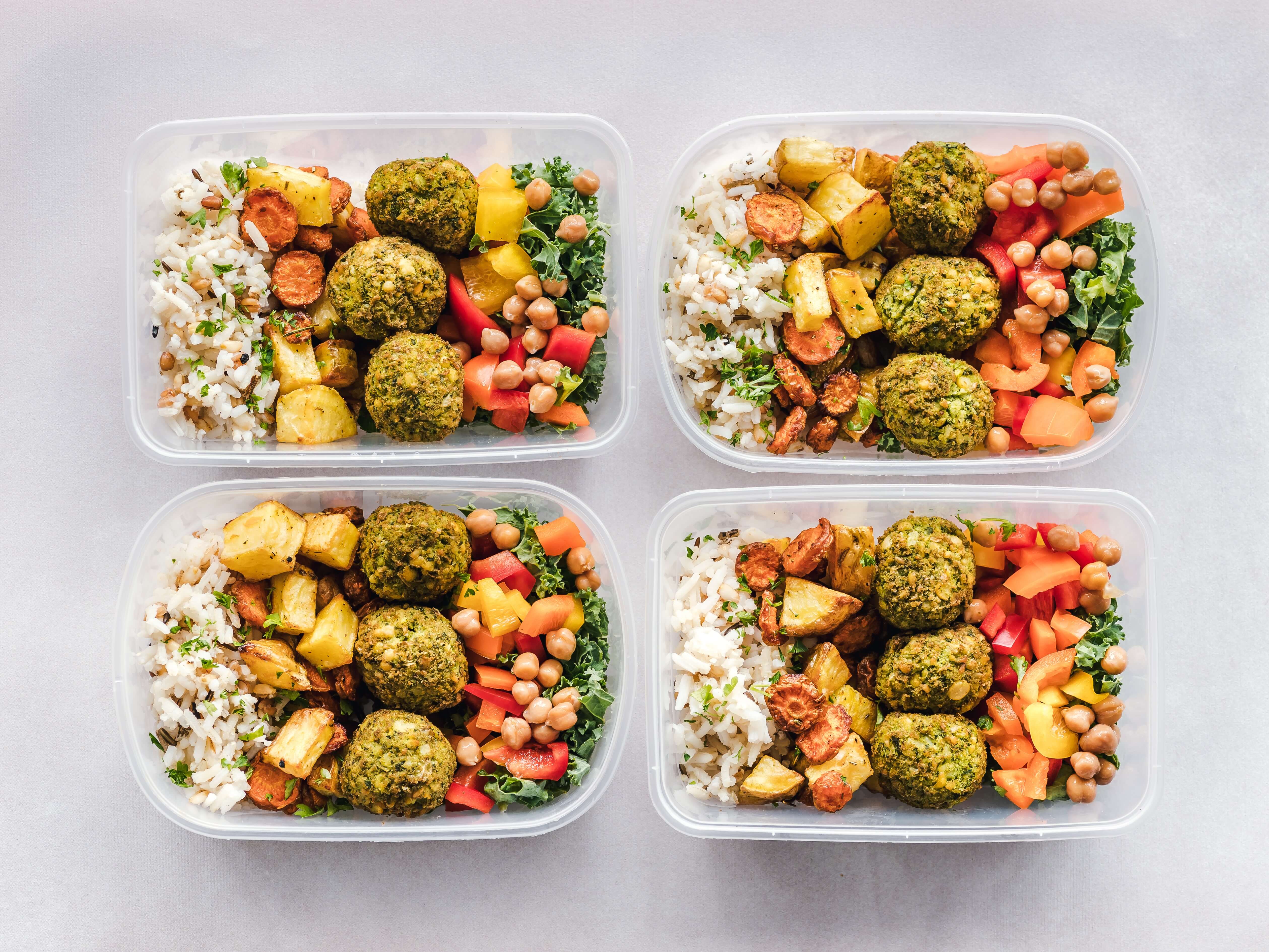
A VEGAN DIET or PLANT BASED DIET is a food selection that excludes any food items that come from an animal. The most common ones are meat, fish, poultry, dairy, cheese, butter, eggs, and honey. So, foods like soda, chips, chocolate, and vegan hot dogs can all technically be vegan, but are not very healthy of course. We promote a lifestyle that starts with first respecting your body and what goes into it, then next the environment.
Veganism as a whole is an ethical way of living which seeks to exclude, as far as is possible and practicable, all forms of exploitation, rape, and cruelty to animals for food, clothing or any other purposes. Animals were not created to live forever, but we don’t contribute to ideas of torture, greed, or manipulation when it deals with these organisms as a food source.
So, not all vegans are concerned about how healthy their food is and, instead, try to avoid animal exploitation in all areas of life. We have found that there is a healthy balance to this.

When you switch to a PLANT-BASED DIET it does not mean your food has to be 100% vegan, only that most of it comes from plants. And by that, we mean actual plants and not chemical, or lab-made processed food types like oreos and cheetos.
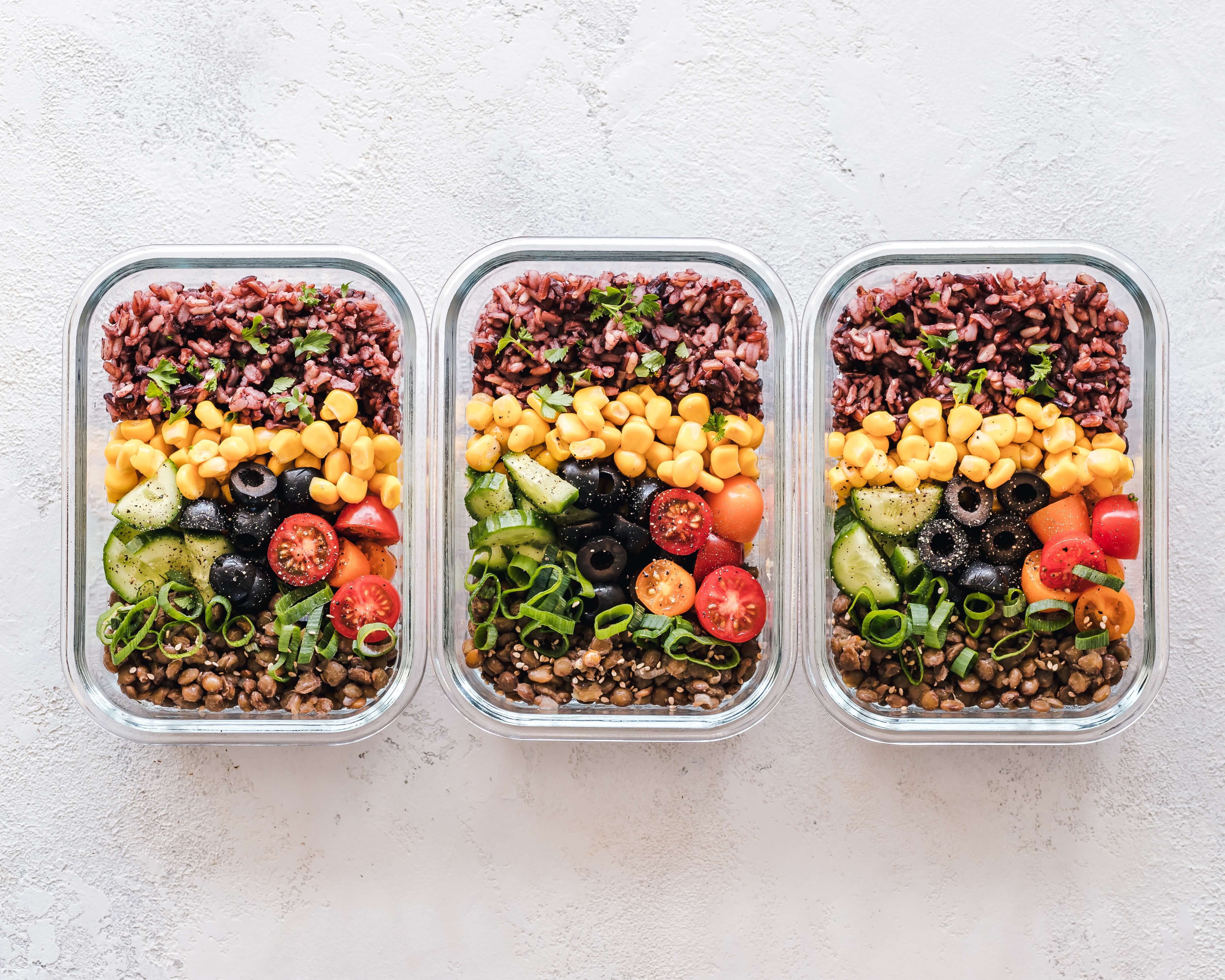
People who eat plant-based often focus on eating veggies, whole grains, and legumes, while also breaking fast with fruits and salads (Breakfast). Some of their meals can contain an egg or some dairy depending on the individual – some still consume foods that are still bad for health; when consumed in ‘daily’ excess.
While we would never encourage anyone to keep consuming animal products, we understand that for some it’s not always possible to stick to a 100% plant-based diet – but anyone should get as close as possible to reduce inflammation, and hormonal imbalances.
Merging more plant-based foods into your food choice is the way to go when you get started!
That’s how you get all the amazing benefits like:
- Reduction in inflammation
- Better bowl movements and release of toxins
- Reducing risk for (or even reversing) heart disease, diabetes, and some forms of cancer
- Saving animals’ lives by not contributing to the demand for animal products
- Feeling lighter from eating living foods
- Building discipline to make more informed choices
- Protecting the environment (wildlife, rainforest, drinking water, global warming)
Living compassionately, lessen world hunger and horrible working conditions
And HONESTLY…. there is so much more